Downsizing Before Moving Can Save You Time, Money, and Stress
April 13, 2026
Senior Moving Services That Make Big Life Changes Feel Simpler
April 24, 2026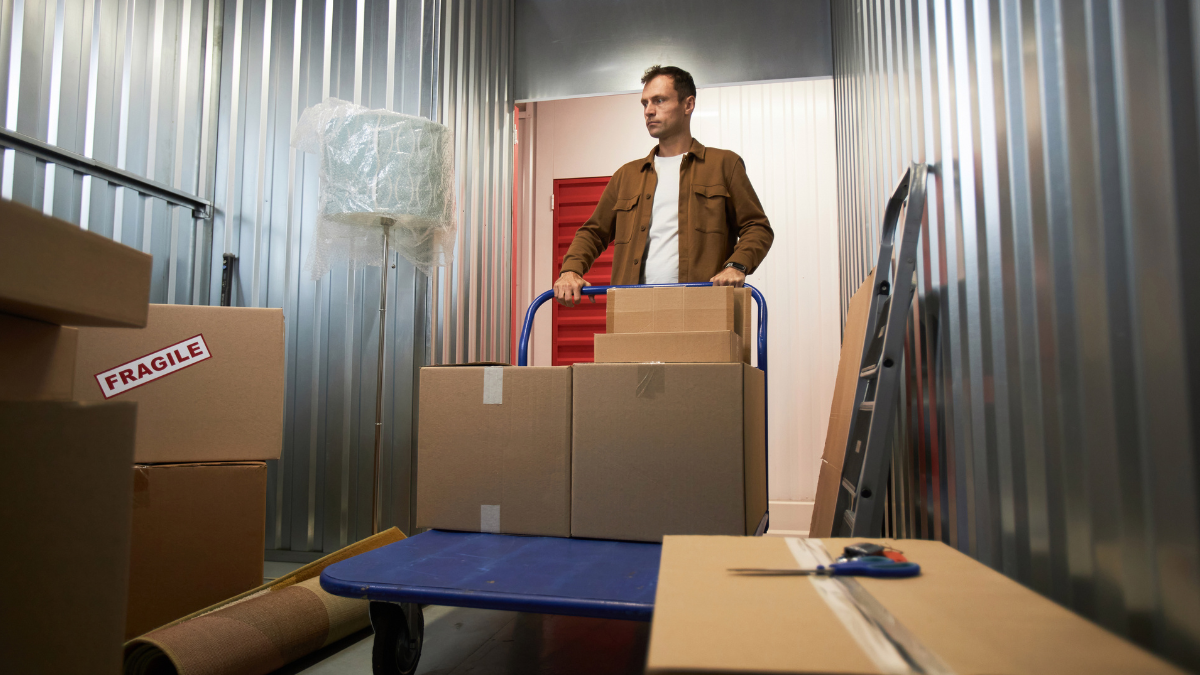
Moving would be a lot easier if every date lined up perfectly, but real life rarely works that way. Closings get pushed back, renovation work takes longer than expected and sometimes the new place is not ready when you need to be out of the old one. That is where storage during a move can make a huge difference. Instead of scrambling at the last minute, you can use storage as a practical tool to keep your move on track and protect your peace of mind.
A lot of people think storage only matters for big downsizing projects or long-term situations. In reality, it can solve short-term problems that pop up all the time. When you plan for it early, storage can give you breathing room, more flexibility and a much smoother moving process from start to finish.
When Storage During a Move Makes the Most Sense
There are a few common situations where storage really helps. One of the biggest is a closing gap. Maybe you have to leave your current home before you can get into the next one. Maybe the closing date changed at the last minute. In that case, storage gives your belongings a safe place to go while you wait for the next step.
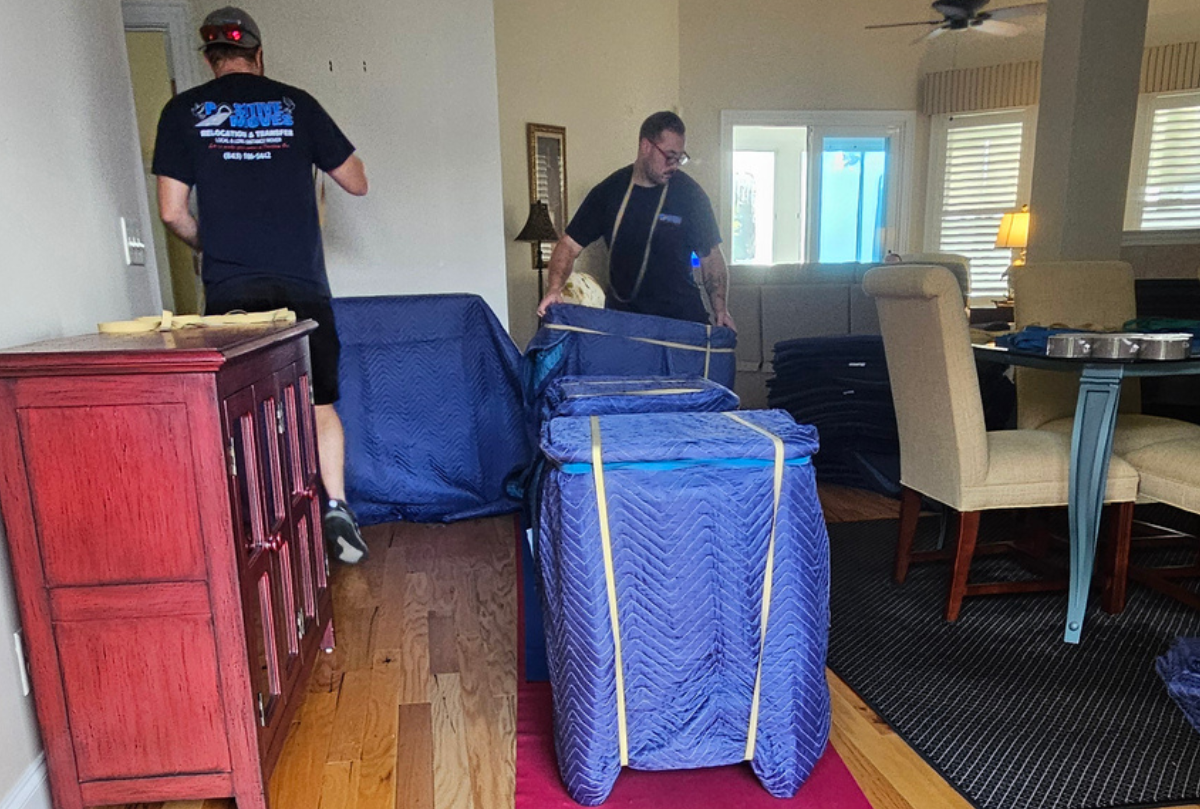
Storage also helps when renovations overlap with your move. If painters, flooring crews or contractors still need access to the home, filling every room with boxes and furniture will only slow things down. Putting some or all of your items in storage can keep the work moving and help you avoid damage to your belongings. It can also help if you are moving in stages, waiting on apartment availability or trying to make a temporary living setup work for a few weeks.
Plan for the Gap Before It Becomes a Problem
One of the best things you can do is ask early if there is any chance your timeline could shift. If you are buying and selling at the same time, talk through the possible gaps with your agent. If you are moving into a renovated space, ask for realistic completion dates instead of best-case guesses. When you know there is even a small chance of a delay, start thinking about storage during a move before the pressure kicks in.
That planning should include the basics. How long might you need storage? Will you need access to your items during that time? Are there things you should keep with you instead of storing? A little planning now can save you from making rushed decisions later. It also helps you feel more in control if your moving dates shift.
Decide What Should Go Into Storage and What Should Stay With You
Not everything belongs in storage. If you are using short-term storage during a move, keep your day-to-day essentials with you. That usually includes medications, chargers, important papers, a few changes of clothes, toiletries, keys and anything you need for kids or pets. Think about what you would need for the first few days without opening a single storage unit or box.
Everything else can get sorted by priority. Furniture, decor, seasonal items and boxes you will not need right away are often good candidates for storage. Label those boxes clearly so you know what is inside and what room it belongs in later. If you might need access to certain items, group them together and load them last so they are easier to reach.
Use Storage to Make the Move Feel Less Chaotic
Storage can do more than solve a scheduling problem. It can also make the whole move feel more organized. If the new home feels crowded, storing some extra items first can help you move in with less chaos. You can focus on the rooms you need most and bring in the rest later once things settle down.
This works especially well for families, people moving into smaller homes or anyone juggling a lot of change at once. Instead of trying to unpack everything in a rush, you can take a more manageable approach. You can get the home functional first, then deal with extra furniture, keepsakes or nonessential boxes when you actually have the time and energy.
Make Storage During a Move Work for You
The goal is not to add another step just for the sake of it. The goal is to solve real problems before they turn into bigger ones. Storage during a move can help when dates do not line up, when contractors need space to work or when your new home needs a little more time before everything comes in. It gives you flexibility when life does not follow the plan.
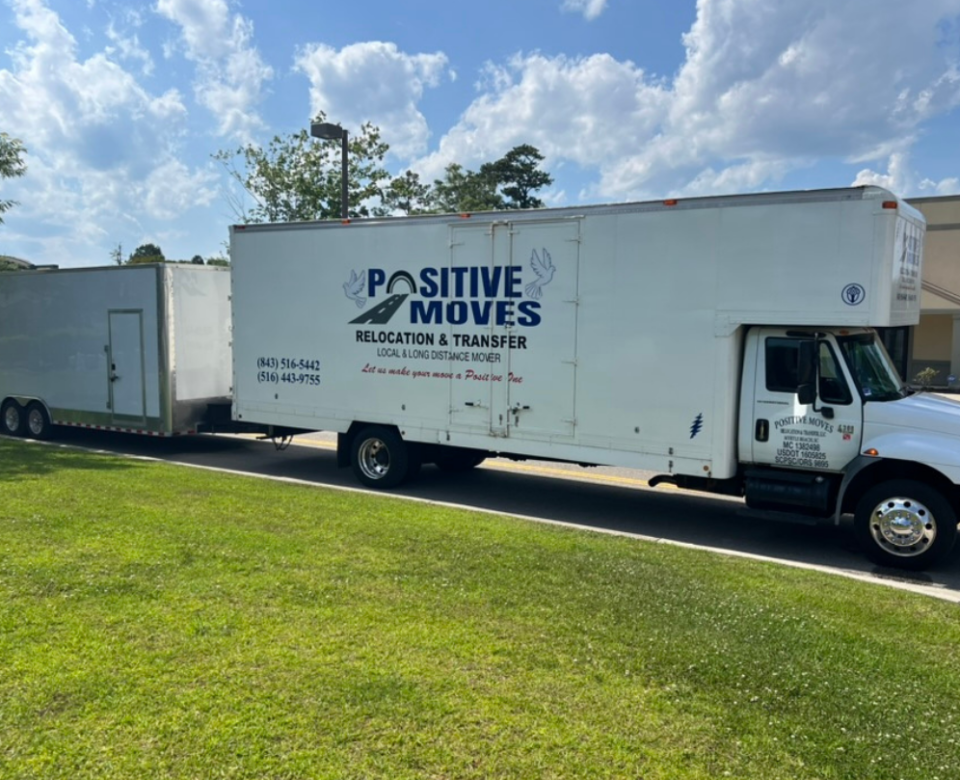
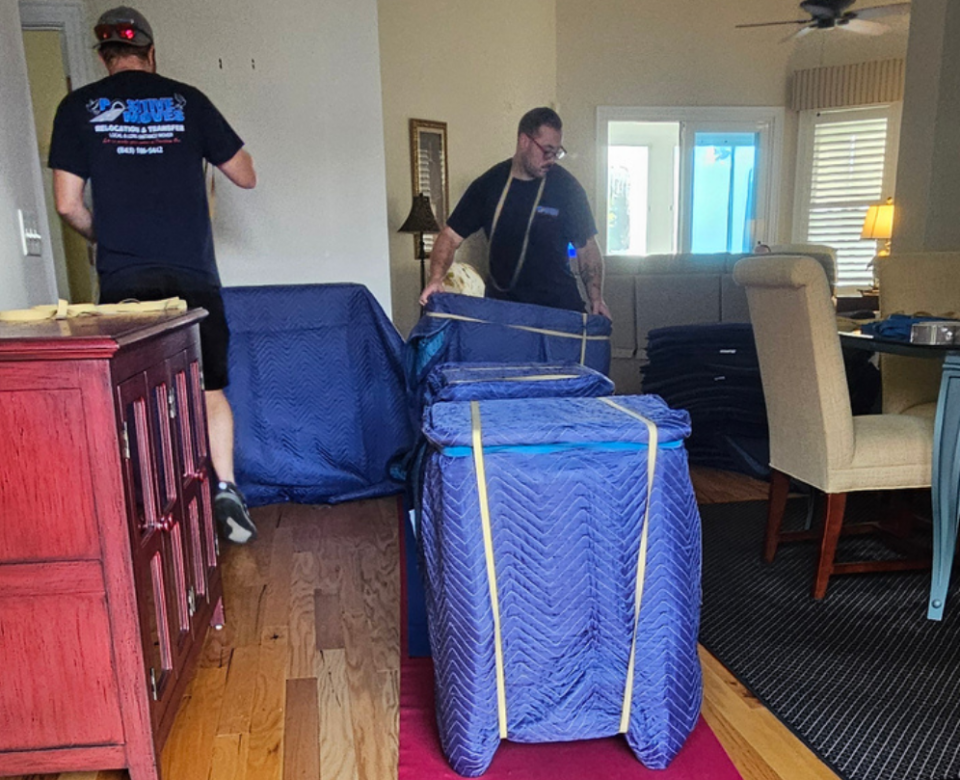
If your move has a closing gap, delayed move-in or renovation overlap, Positive Moves can help you build a plan that works in real life. Reach out today and let our team help you create a smoother move with less stress and fewer last-minute surprises.
FAQs
1. When should I consider storage during a move?
You should think about storage as soon as you see a possible gap in your moving timeline. If your closing dates do not match, your new home is under renovation or your move-in date feels uncertain, storage can give you a solid backup plan before things get stressful.
2. What items should I keep with me instead of putting them in storage?
Keep the things you use every day with you, like medications, chargers, paperwork, toiletries, clothes and anything important for your kids or pets. You should also keep valuables and time-sensitive items close by so you are not digging for them later.
3. Can storage make a move feel easier even if there is no major delay?
Yes, it can. Storage can help reduce clutter, create more room for cleaning or renovation work and make unpacking feel less overwhelming. It gives you space to move in stages instead of trying to handle everything at once.