The Truth About Moving Costs Nobody Explains
January 18, 2026
Packing Mistakes Movers See All The Time
January 29, 2026
Why Moving Stress Builds Faster Than People Expect
Moving stress does not come from one big problem. It comes from dozens of small decisions stacking up at the same time. When people move, they must choose what stays, what goes, how to pack, when to schedule and who to trust. All of this happens while daily life keeps moving forward. Moving stress grows because control feels limited. Your home changes, routines break and timelines tighten. Without a clear plan, the pressure builds quickly.
The Mental Load Behind Moving Stress
Moving stress often shows up before the first box gets packed. Your brain tracks unfinished tasks, deadlines and unknowns all at once. This mental load causes fatigue, anxiety and frustration. People also attach emotions to spaces. Homes hold memories, comfort and familiarity. Packing those spaces can feel like losing stability, even when the move itself feels positive. Decision fatigue adds another layer. Small choices like box sizes, packing order and labeling drain energy. By the time moving day arrives, many people already feel overwhelmed.
How Planning Reduces Moving Stress
Planning restores a sense of control. When tasks follow a clear order, your brain stops racing. Professionals rely on pacing to manage moving stress. They break large moves into smaller steps that feel manageable. A solid plan accounts for access points, stairs, fragile items and timing. Instead of reacting to problems, movers prepare for them. This preparation reduces surprises and keeps the day moving forward. Pacing also matters. Rushing increases mistakes and stress. Professionals work at a steady pace that protects items and keeps energy levels stable throughout the day.
What Professionals Do Behind the Scenes to Reduce Stress
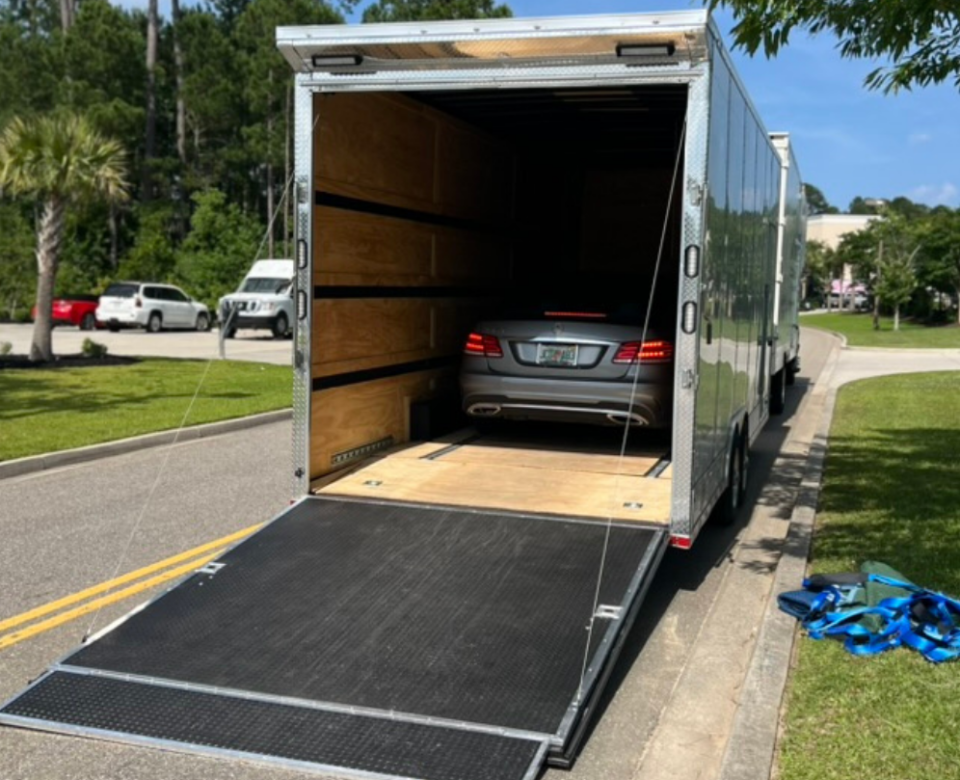
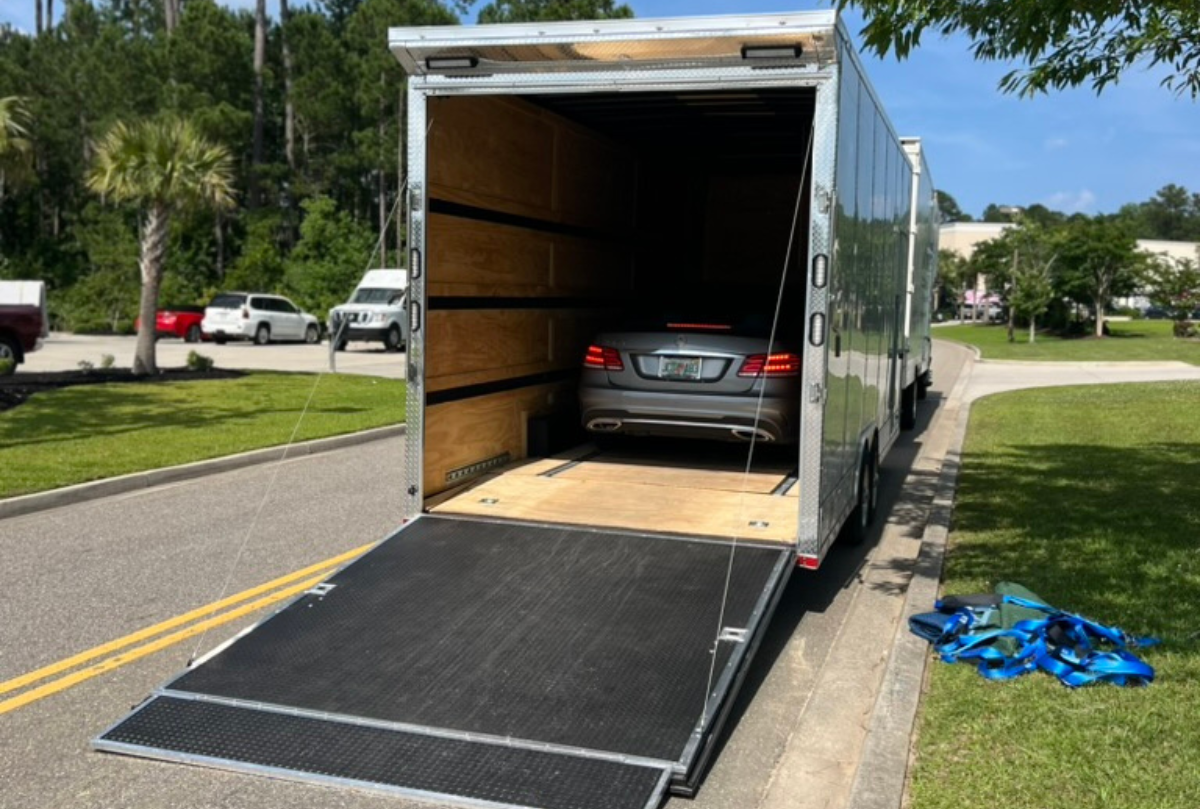
Professional movers focus on control before the truck ever arrives. They assess weight, layout and access during estimates. This allows crews to arrive with the right equipment and staffing. They also protect items early. Wrapping furniture, securing cords and separating fragile items prevents damage and delays. Clear labeling and loading order reduce confusion at delivery. Communication plays a key role. Movers explain timelines, confirm details and adjust plans when needed. This keeps clients informed and lowers uncertainty, which directly reduces moving stress.
Reducing Moving Stress Starts With Support
Moving stress feels overwhelming because so much happens at once. Control, planning and pacing make the difference between chaos and calm. When professionals manage the details, you gain space to focus on your next chapter instead of every moving task.
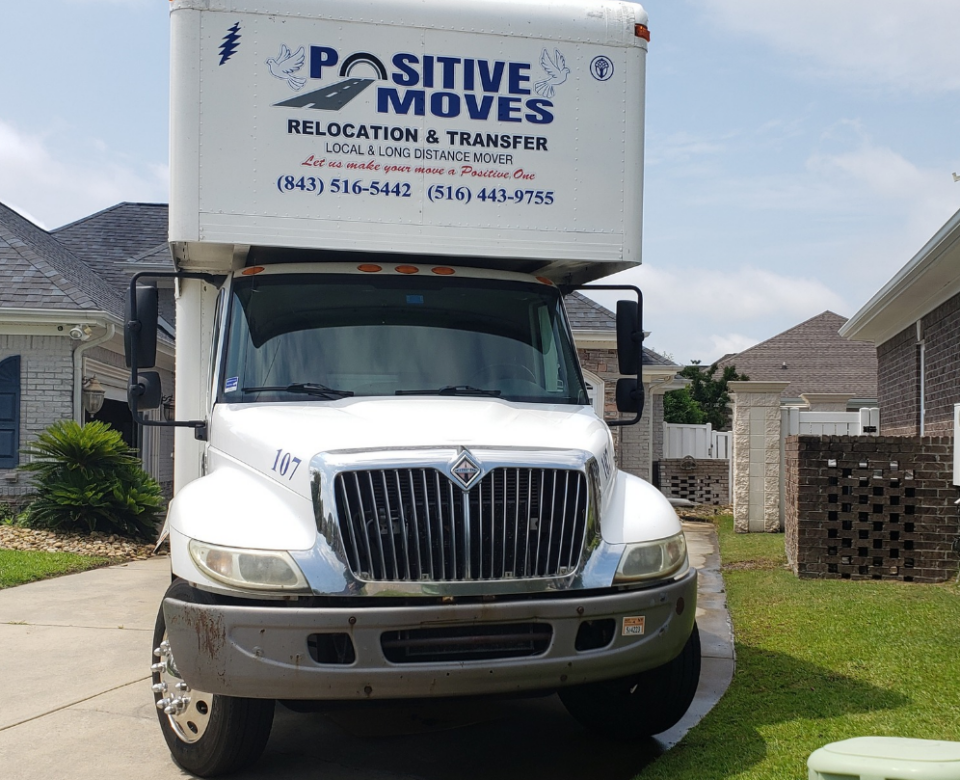
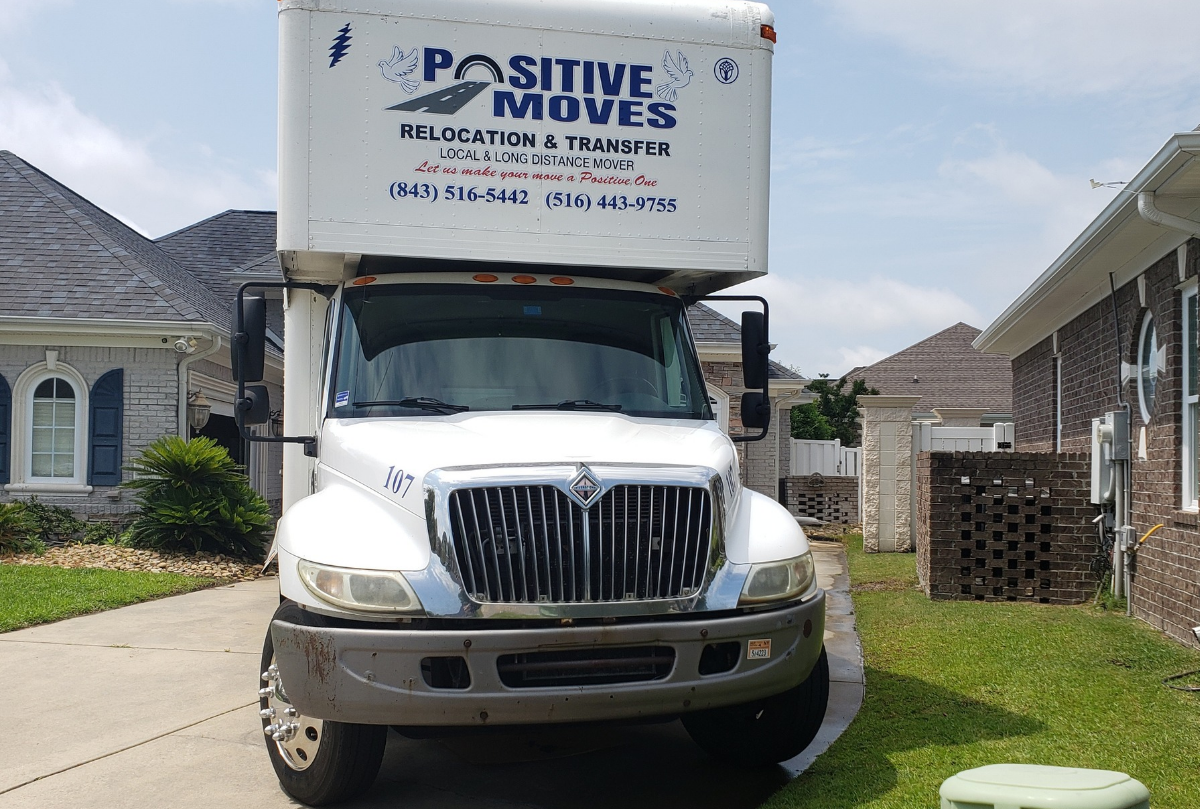
If you want a move that feels organized instead of exhausting, contact Positive Moves to plan a relocation that reduces moving stress from start to finish.
FAQs
1. Why does moving cause so much stress?
Moving stress comes from too many decisions happening at once along with changes to routine and environment. Lack of control and uncertainty increase mental strain.
2. How can movers help reduce moving stress?
Movers reduce stress by planning ahead, pacing the move, protecting belongings and managing logistics so fewer decisions fall on you.
3. What can I do early to lower moving stress?
Start planning early, book professionals in advance and create a clear timeline. Preparation restores control and reduces last minute pressure.