How Realtors Can Help Clients Avoid Moving Day Disasters
July 28, 2026
What Should You Know Before Moving Into a Condo in Myrtle Beach?
August 10, 2026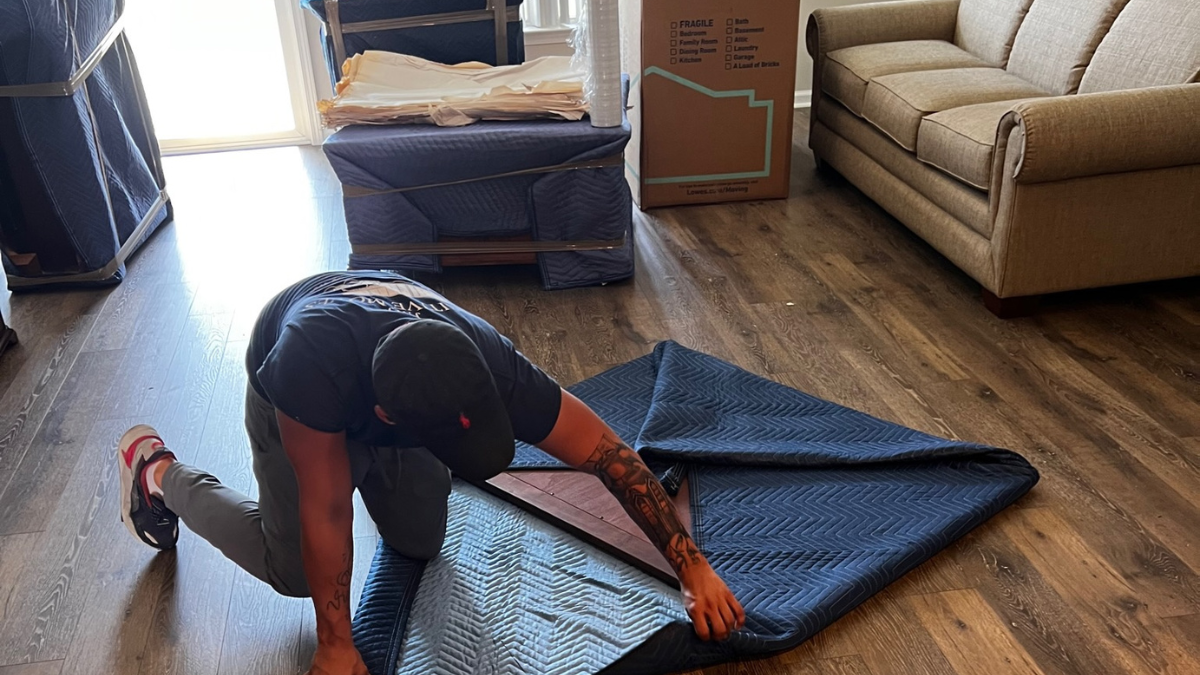
Moving furniture takes more than strength. It takes planning, patience and the right protection before anything gets lifted. Tables, dressers, couches, chairs, cabinets and bed frames can all get scratched, dented or scuffed when prep feels rushed. Good furniture protection starts in the room where the item sits, not once it gets to the truck.
A careful moving team looks at the whole path before moving a piece of furniture. That includes the item itself, the floor, the doorway, the walls, the corners, the stairs and the way everything will sit inside the truck. When movers slow down and protect furniture before it leaves the room, they reduce the risk of damage and help the whole move feel more controlled.
Why Does Furniture Protection Start Before Moving Day Gets Busy?
Furniture protection starts early because most moving damage happens when people rush. A dresser gets pulled across the floor instead of lifted. A table corner bumps a doorway. A couch rubs against a wall. A glass piece gets carried without enough padding. These problems often happen before the item ever reaches the truck.
The best time to prevent damage is before the lifting starts. Movers should check the furniture, look for loose parts, remove items from drawers when needed and decide how each piece should travel through the home. That simple pause can make a big difference. It helps the team choose the right equipment, protect the right areas and avoid guessing while carrying heavy or awkward pieces.
How Do Moving Blankets Help Protect Furniture?
Moving blankets help protect furniture from scratches, dents and rubbing during the move. They create a padded layer between the furniture and anything it could touch, including walls, doorframes, other furniture and the inside of the moving truck.
Blankets work especially well for wood furniture, dressers, tables, nightstands, cabinets and larger pieces with finished surfaces. They also help protect furniture while it sits in the truck because items can shift slightly during transport. A moving blanket gives each piece a layer of protection so surfaces do not rub against each other. For bigger pieces, movers can secure blankets so they stay in place from the room to the truck.
When Should Movers Use Stretch Wrap?
Stretch wrap helps keep protection in place and keeps certain items together during the move. Movers often use it around upholstered furniture, drawers, cushions, loose pieces and items already covered with moving blankets.
Stretch wrap does not replace padding, but it helps hold padding where it belongs. For example, a moving blanket around a dresser offers protection, while stretch wrap helps keep that blanket secure. On couches and chairs, stretch wrap can help protect fabric from dirt, dust and light contact during the move. It also helps prevent cushions from shifting or separating.
Why Do Corners and Edges Need Extra Care?
Corners and edges need extra care because they usually hit first if a piece gets too close to a doorway, wall or stair rail. Table corners, dresser edges, mirror frames and cabinet trim can chip or dent faster than flat surfaces.
Careful movers look at these areas before they lift. They can add padding, wrap sharp edges or adjust the way the item moves through the space. This matters even more in tight homes, condos, stairways and rooms with narrow doors. A few inches can make the difference between a smooth turn and a damaged corner. That is why planning the path matters as much as wrapping the furniture.
How Does Floor Protection Fit Into Furniture Protection?
Floor protection helps protect the home while the furniture gets moved. Heavy furniture, dollies, foot traffic and repeated trips through the same path can leave marks if the floors do not have the right care.
Hardwood, tile, carpet and fresh flooring all need attention during a move. Movers should avoid dragging furniture and should use proper equipment when moving heavy pieces. Floor runners, careful lifting, planned walking paths and clean work areas can help reduce scuffs and dirt. Protecting furniture and protecting the home go together because a move should not leave damage behind.
Why Does Careful Loading Matter Once Furniture Reaches the Truck?
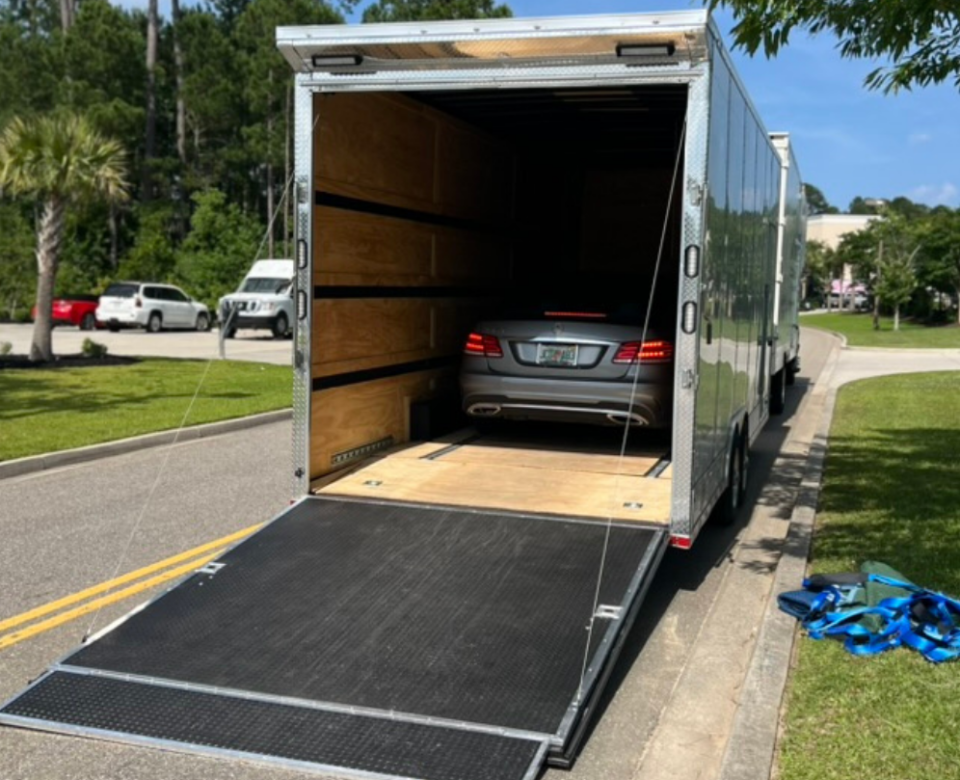
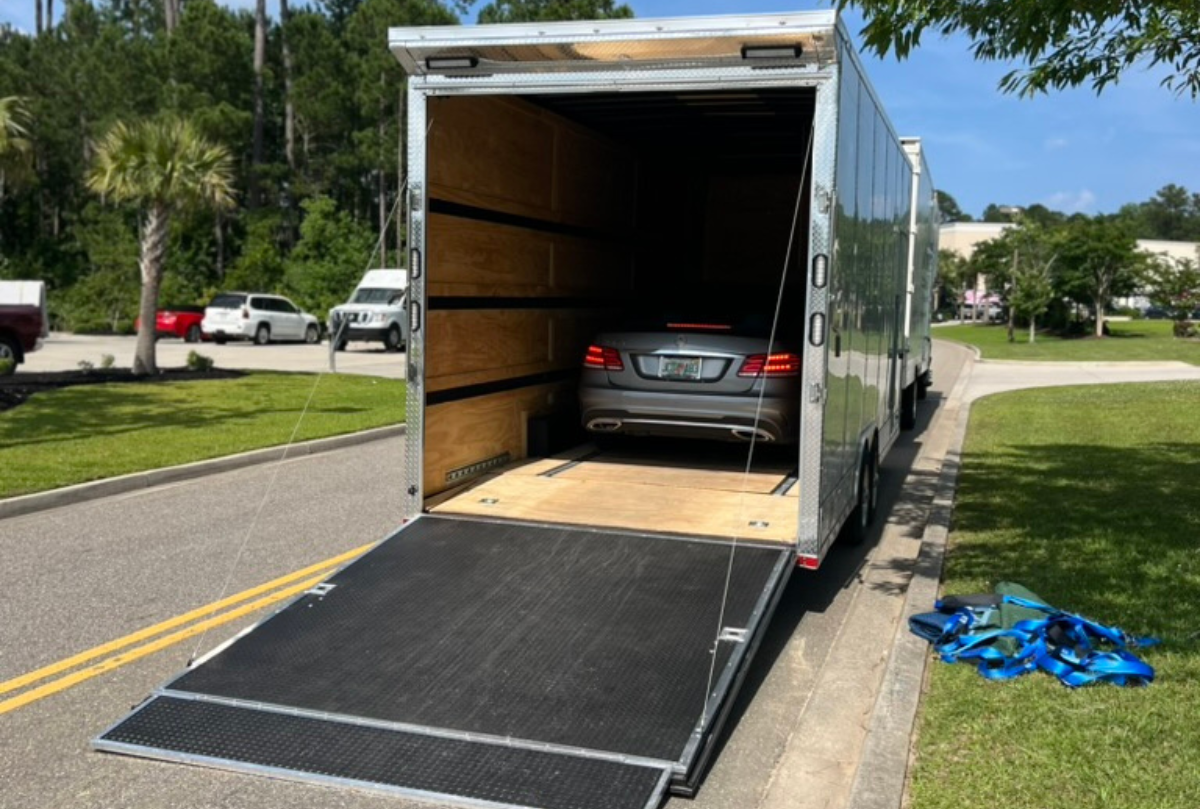
Careful loading protects furniture during the drive. Even if a piece leaves the home safely, it still needs to ride safely. The way movers place, stack and secure furniture inside the truck can affect whether items arrive in the same condition.
A good moving team loads with balance, weight and protection in mind. Heavy items should not crush fragile pieces. Finished surfaces should not rub together. Wrapped furniture should stay secure. Items should fit in a way that reduces shifting during transport. Careful loading turns all the prep work inside the home into a safer trip to the next location.
Furniture Protection Matters From the First Room to the Final Placement
Good furniture protection starts before the first item leaves the room and continues until the last piece sits in its new place. Moving blankets, stretch wrap, corner care, floor protection and careful loading all work together to protect your furniture, your home and your peace of mind.
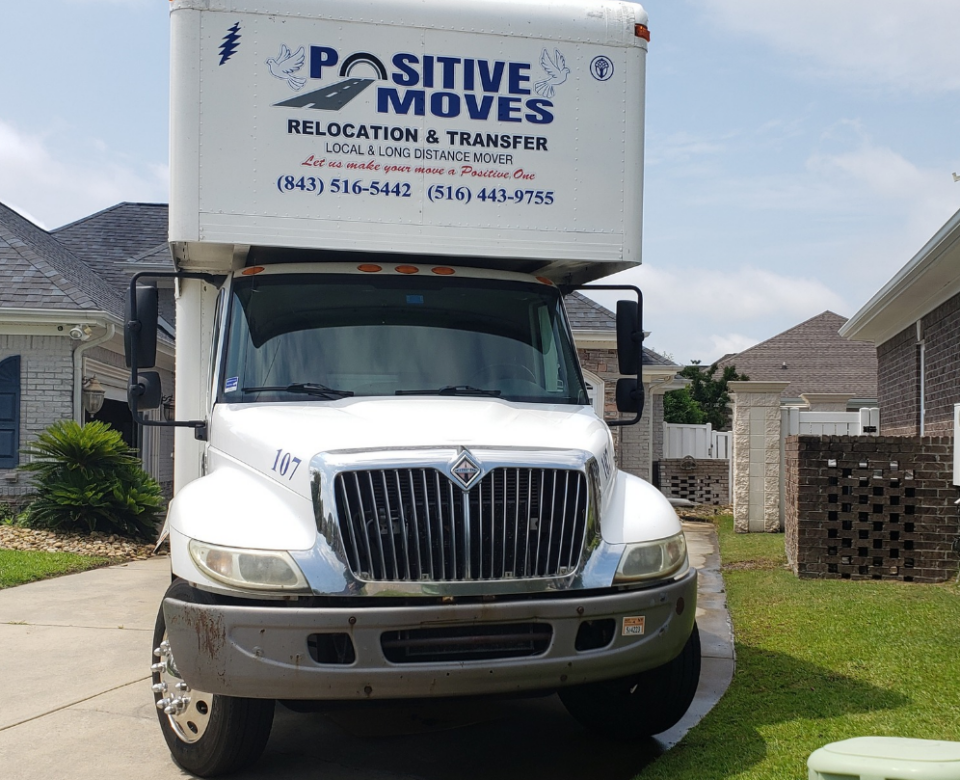
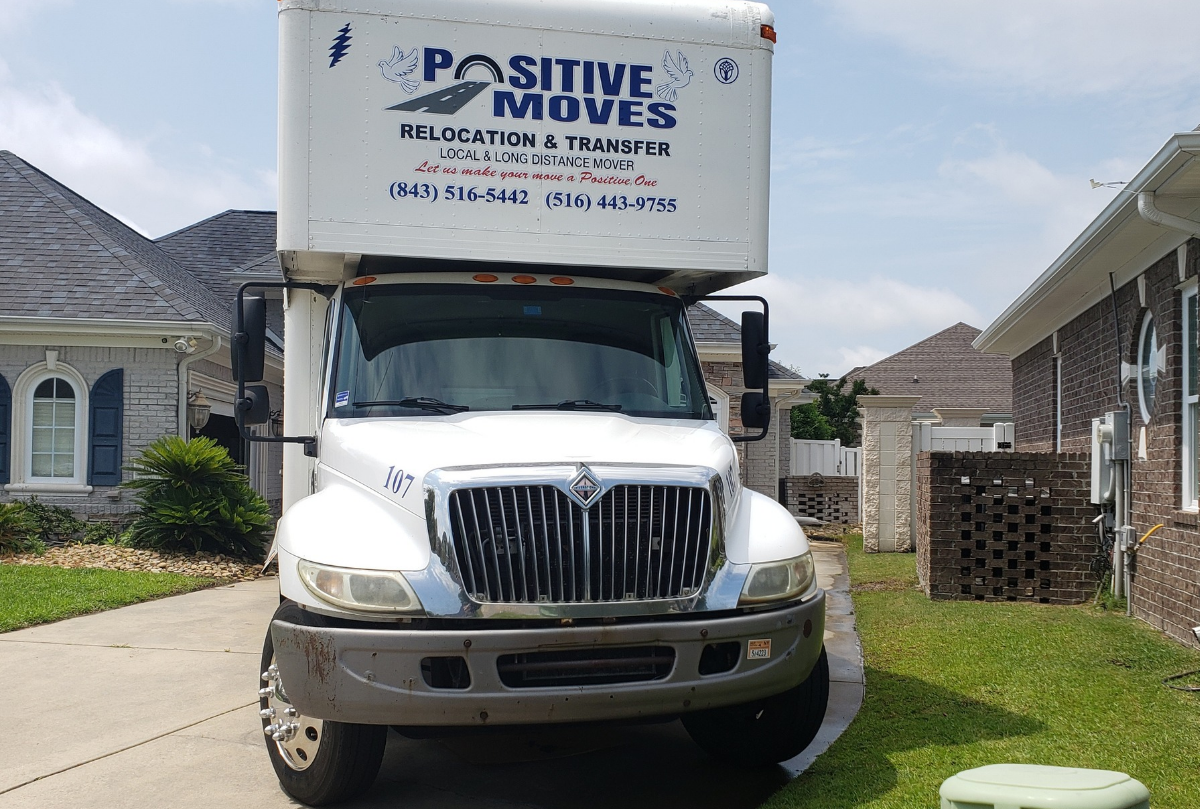
Positive Moves understands that your furniture is part of your home, not just another item on the truck. If you are planning a local or long-distance move in Myrtle Beach or beyond, our team is ready to help with careful handling, clear communication and blue carpet service on every move.
FAQs
1. How do movers protect furniture during a move?
Movers protect furniture by using moving blankets, stretch wrap, padding, careful lifting, floor protection and smart loading inside the truck. They also look at the path through the home before moving heavy or fragile pieces.
2. Should furniture be wrapped before moving?
Yes, many furniture pieces should be wrapped before moving, especially wood furniture, upholstered pieces, glass-top tables, antiques and items with sharp corners or delicate finishes. Wrapping helps reduce scratches, dents, dirt and rubbing during transport.
3. What furniture is most likely to get damaged during a move?
Furniture with delicate finishes, sharp corners, glass pieces, mirrors, antiques, large dressers, dining tables and upholstered items can be more likely to get damaged without proper prep. Careful movers protect these pieces before they leave the room.