Furniture Protection Starts Before Anything Leaves the Room
July 31, 2026
How Do You Handle Moving After a Divorce With Less Stress?
August 17, 2026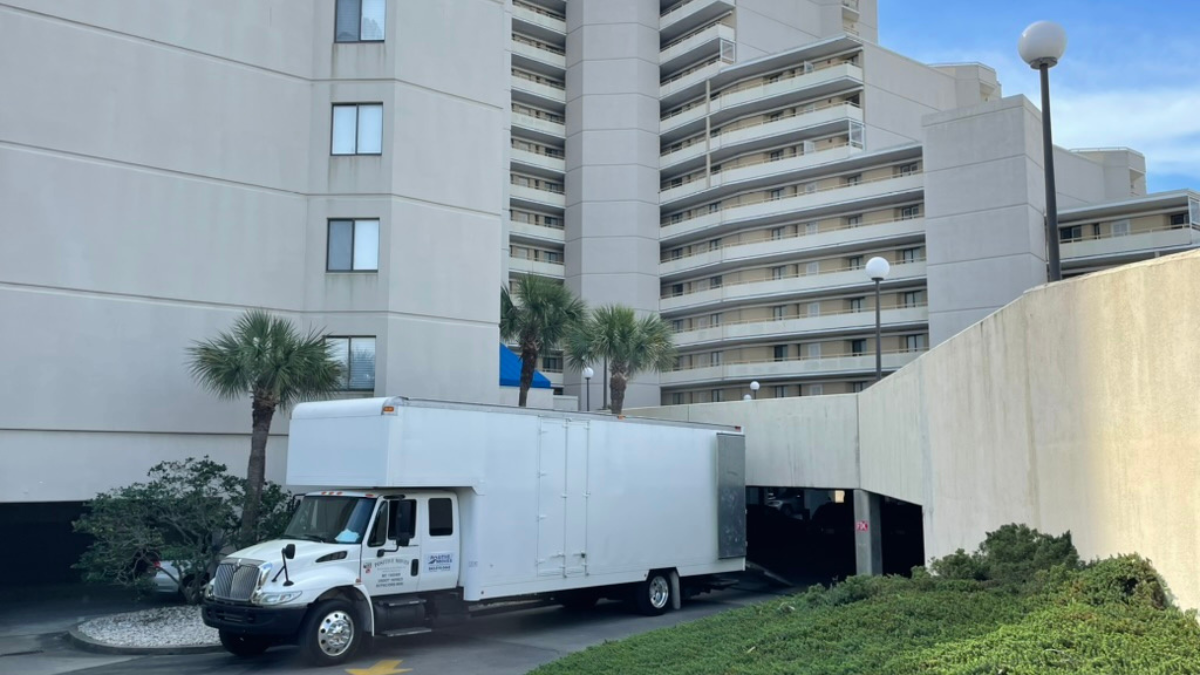
Moving into a condo in Myrtle Beach can feel exciting, especially when the beach, shops, restaurants and Grand Strand lifestyle are close by. However, a condo move comes with different rules than moving into a single-family home. Elevators, parking limits, HOA requirements, narrow hallways, delivery windows and tight loading areas can all affect how smoothly moving day goes.
If you are moving into a condo, the best thing you can do is plan the details early. A condo move works best when the moving company knows where to park, when the elevator can be used, what the building requires and how furniture will move from the truck to the unit. With the right plan, you can avoid delays, protect the building and make the move feel much less stressful.
Why Is Moving Into a Condo Different From Moving Into a House?
Moving into a condo is different because you have to work within shared spaces and building rules. A house usually gives movers more control over parking, entry points and timing. A condo often has elevators, long hallways, loading zones, security desks, HOA rules and neighbors using the same spaces.
That means small details matter more. If the elevator has not been reserved, the moving crew could have to wait. If the truck cannot park near the entrance, the move could take longer. If the building has strict move-in hours, a late start can cause real problems. A professional mover who understands condo moves can help you plan around those limits before moving day begins.
Do You Need to Reserve an Elevator Before a Condo Move?
Yes, many condo buildings require elevator reservations before a move. Even if the building does not require one, reserving elevator time can make the day easier because it gives the movers a clear window to work.
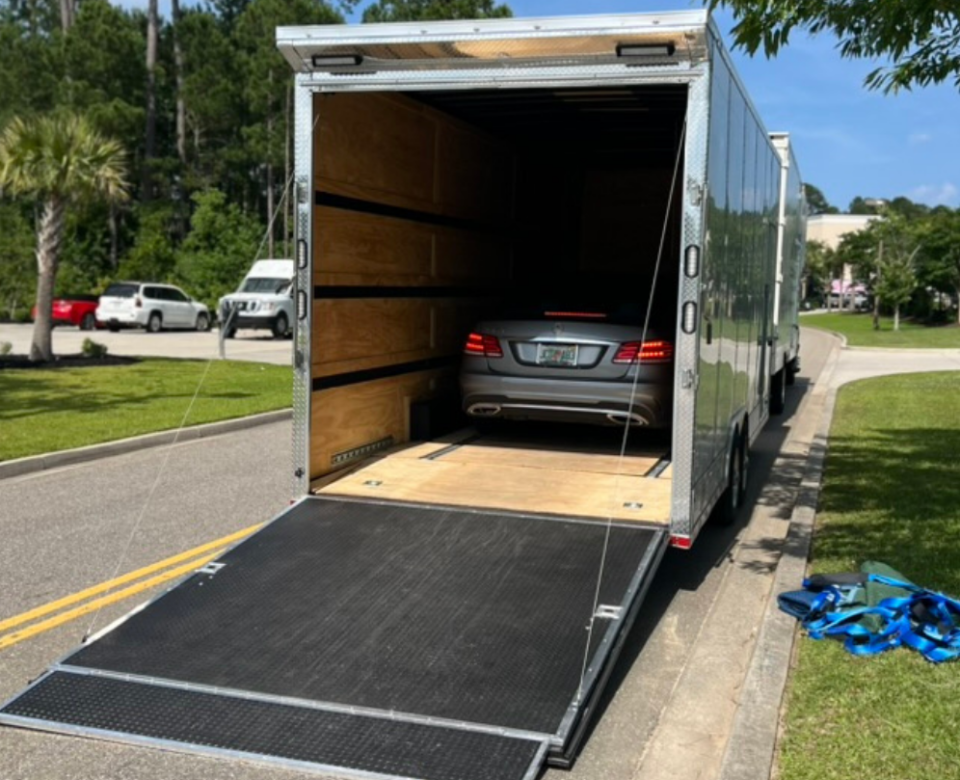
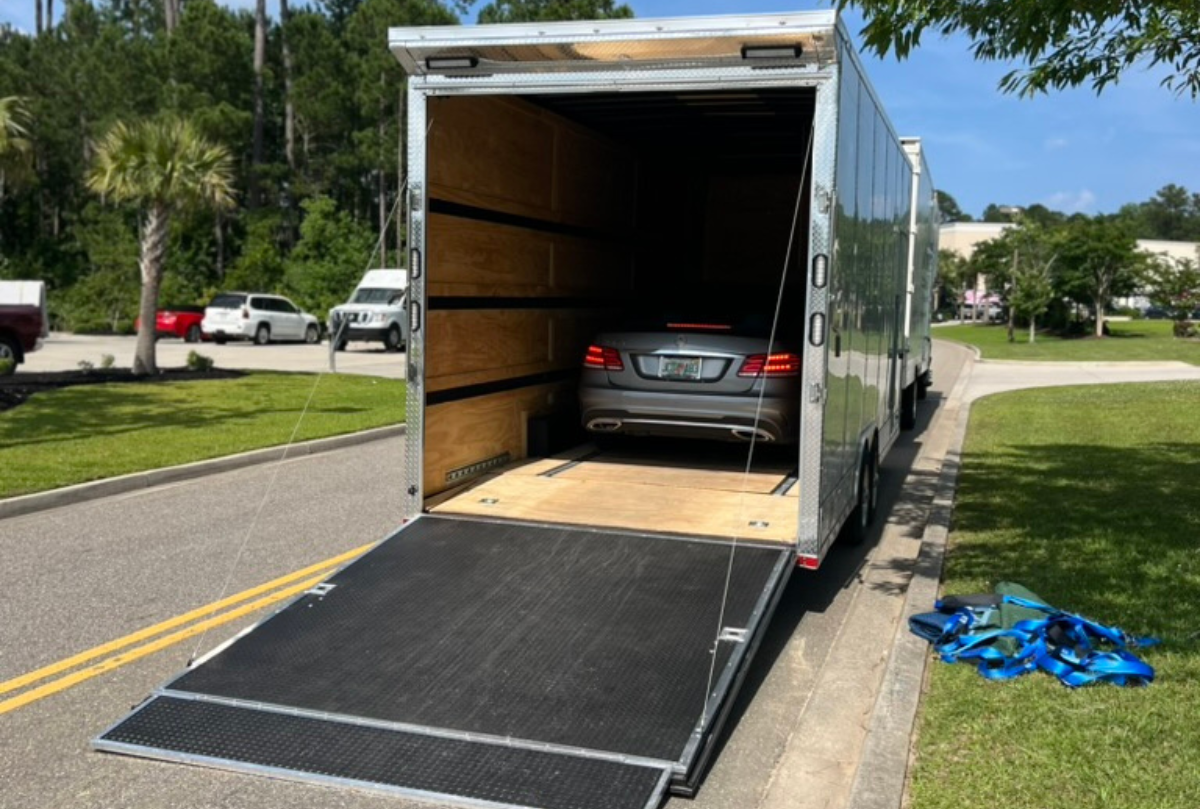
Some buildings also require padded elevator protection during moves. This helps protect the elevator walls from scratches, dents and scuffs while furniture, boxes and equipment move in and out. Before moving day, ask the property manager or HOA whether you need to reserve the elevator, what hours are available and whether the building provides elevator pads. Share that information with your moving company as early as possible.
What Parking Details Should You Share With Your Movers?
You should tell your movers where the truck can park, whether the building has a loading zone and whether the property has any truck size limits. Parking can be one of the biggest challenges when moving into a condo in Myrtle Beach, especially near busy beach areas, high-rise buildings and properties with limited access.
If the moving truck cannot get close to the entrance, movers have to carry items farther. That can add time and make the move harder. Let your movers know if the building has a parking garage, gate, guardhouse, permit rules or a specific loading area. Photos of the entrance, parking area and loading zone can also help the moving team plan the job before they arrive.
What HOA Rules Should You Check Before Moving Day?
You should check the HOA rules for move-in hours, elevator use, loading areas, insurance requirements, building access and any move-in fees. Some condo communities have strict rules about when moves can happen and where moving trucks can park.
The HOA or property manager might also require proof of insurance from the moving company. This is one reason it matters to hire a licensed and insured mover. Positive Moves can help clients understand what information a building needs before moving day. However, the owner or tenant should always check the condo rules early so there is enough time to gather the right details.
How Can Hallways, Doors and Tight Spaces Affect a Condo Move?
Hallways, doors and tight spaces can change how furniture gets moved. Condo buildings often have long hallways, sharp turns, smaller elevators and narrow entry doors. Large couches, bedroom sets, dining tables and heavy pieces need careful planning before anyone starts lifting.
Before the move, measure large furniture and compare it with elevator doors, hallways and the condo entrance. If something looks tight, tell your movers ahead of time. They can plan how to angle pieces, protect corners and decide whether any furniture needs to be taken apart. This kind of prep helps protect your furniture and the building.
Why Do Delivery Windows Matter for Myrtle Beach Condo Moves?
Delivery windows matter because many condo buildings only allow moves during certain hours. In Myrtle Beach, this can matter even more during busy travel seasons, weekends and high-traffic times near the beach.
If your building gives you a limited move-in window, share that schedule with your movers right away. A short window means the moving team needs to plan the crew, truck access, loading order and arrival time carefully. Clear communication helps everyone stay on track and reduces the chance of running out of time.
Moving Into a Condo Goes Better With the Right Local Mover
Moving into a condo takes planning, clear communication and a mover who understands local access issues. Elevator reservations, HOA rules, truck parking, tight hallways and delivery windows can all affect the move. When these details get handled early, moving day feels more organized from the first box to the final piece of furniture.
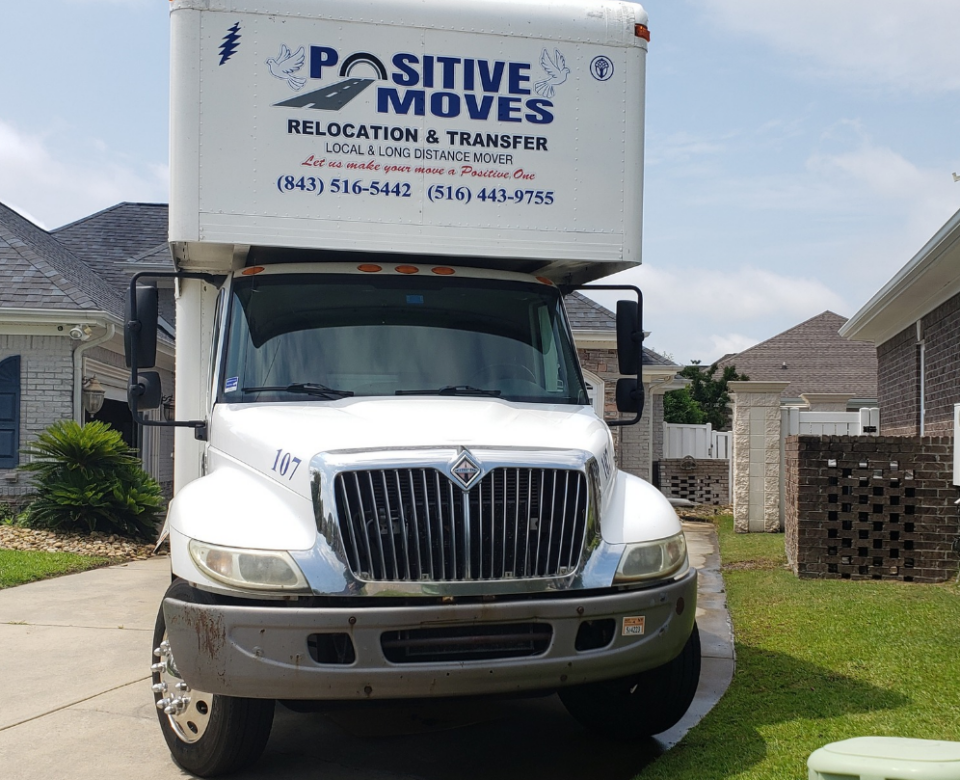
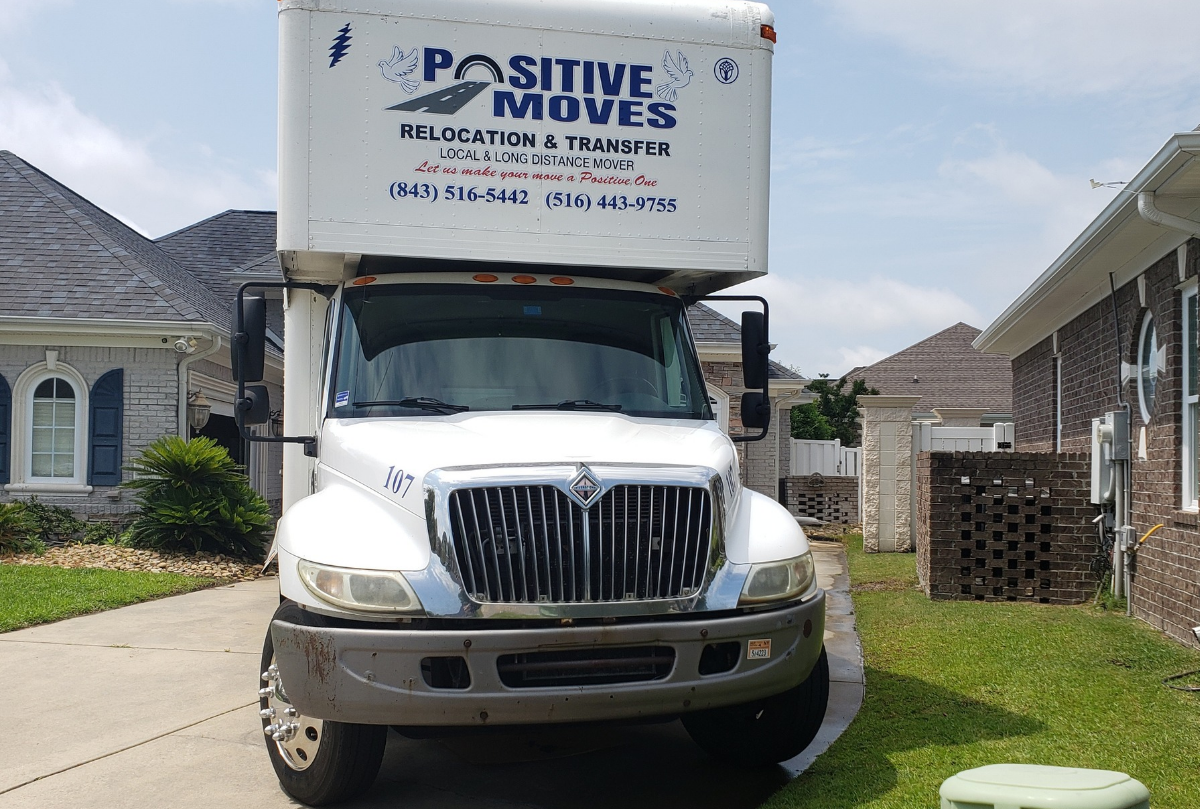
If you are moving into a condo in Myrtle Beach or along the Grand Strand, Positive Moves is ready to help. Our team brings local knowledge, careful handling, clear communication and blue carpet service to every move. Contact Positive Moves today to schedule your condo move with confidence.
FAQs
1. Do I need to tell my condo HOA before moving in?
Yes, you should contact the HOA or property manager before moving in. Many condo buildings have rules for elevator reservations, move-in hours, parking, truck access and insurance paperwork, so it is best to ask early.
2. Can movers use the elevator during a condo move?
Movers can usually use the elevator during a condo move, but many buildings require a reservation or elevator protection first. Check with the property manager so your movers know when and how they can use the elevator.
3. What makes condo moves harder than house moves?
Condo moves can be harder because movers often deal with elevators, shared hallways, parking limits, loading zones and building rules. These details can slow the move down if they are not planned before moving day.